No products in the cart.
Return To Shop

No products in the cart.
Return To Shop
No products in the cart.
Return To Shop
Bridge to Global Literature
No products in the cart.
Return To Shop
Bridge to Global Literature
No products in the cart.
Return To Shop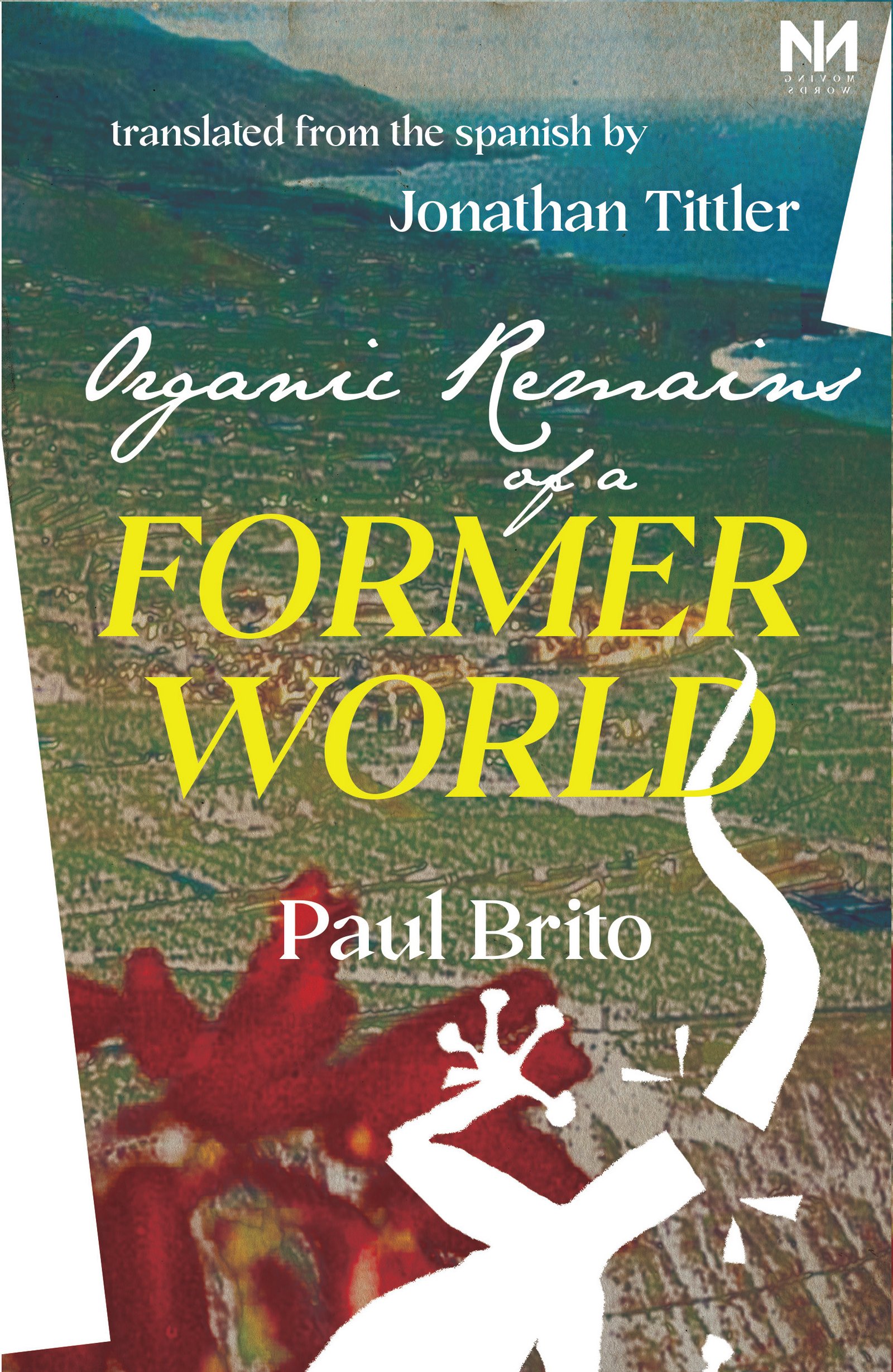
₹349.00
Translated Colombian literary fiction by Paul Brito. A haunting story of family, memory, nature & a lost childhood by the sea. Translated by Jonathan Tittler.
49 pre-orders available
| Author(s) | |
|---|---|
| Translator(s) | |
| Cover Designer(s) | |
| Format | |
| Language | |
| Pages | 142 |
| ISBN | 9780997025491 |
Organic Remains of a Former World by Paul Brito, translated from the Spanish by Jonathan Tittler
On the edge of the Colombian Caribbean, where the Magdalena River empties into a sea thick with rotting trunks, a half-built subdivision rises from a desert of deforested sand. A boy moves there with his family — pioneers of a place not yet finished — and sees, fleetingly, a stag with antlers like the branches of a tree. The animal vanishes the moment he thinks of it. The image stays for the rest of his life.
Organic Remains of a Former World is a memoir told in fragments — stories, vignettes, sudden glimpses — that together form the portrait of a family, a coastline, and a vanishing natural world. A mother carrying two backpacks and the weight of an entire household. A father called El Canario, who leaves for Spain and returns hollowed out, drowning slowly in drink. A quarry that becomes its own ecosystem of swamps, dwarf alligators, vipers and hummingbirds. Cousins splashing in a cement-stained reservoir under a brick-red sun. The fearsome nettle, the stalking snake, the monarch butterfly, the canary.
Paul Brito writes with the precision of a naturalist and the tenderness of someone returning to the scene of his own becoming. Every memory here is also a small ecology — leaf and bark, fruit and rot, the human family entangled with the family of living things. Behind the lyricism sits a harder reckoning with poverty, debt, alcoholism, absence, and the slow grief of watching a place and a parent disappear at once.
Beautifully rendered into English by Jonathan Tittler, this is contemporary Latin American literature at its most intimate — closer in spirit to the autobiographical essay-fictions of Sergio Pitol, Maria Stepanova or Mark Doty than to magical realism. For readers of literary memoir, translated fiction, and writing that braids the personal with the natural world.
A new title from Moving Words, an imprint of The Antonym Collections.
 Organic Remains of a Former World by Paul Brito
Share this product with others
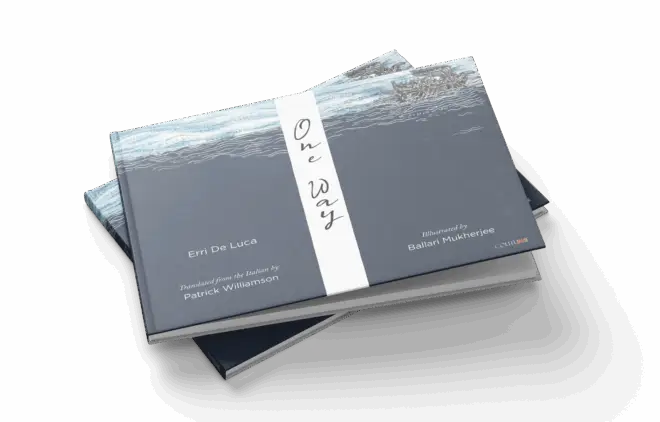
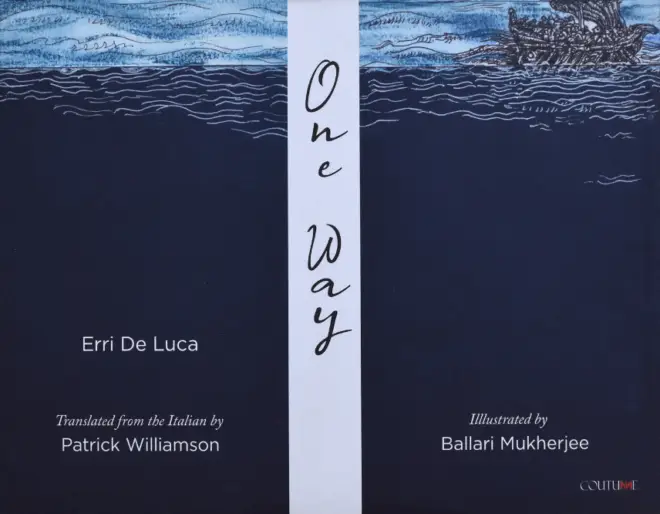
Poems from Erri De Luca’s Solo Andata, reflecting ...

Reviews
There are no reviews yet