No products in the cart.
Return To Shop

No products in the cart.
Return To Shop
No products in the cart.
Return To Shop
Bridge to Global Literature
No products in the cart.
Return To Shop
Bridge to Global Literature
No products in the cart.
Return To Shop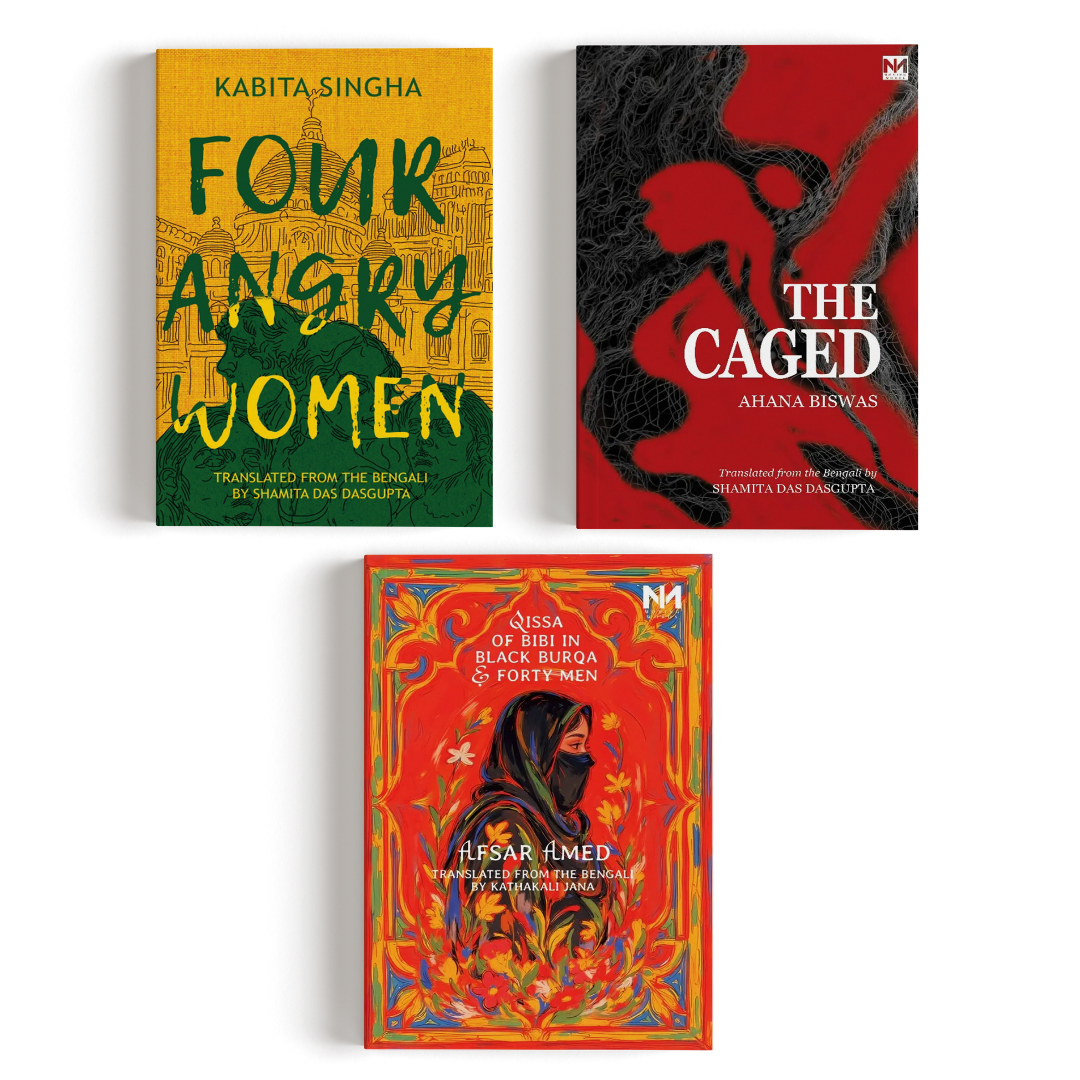
₹1,059.00 Original price was: ₹1,059.00.₹795.00Current price is: ₹795.00.
Feminist fiction bundle featuring Four Angry Women, The Caged, and Qissa of Bibi—three bold novels on identity, resistance, and womanhood.
In stock
| Language | |
|---|---|
| Publisher | The Antonym Collections |
| No. of Books | Three |
| Read Book Samples | https://drive.google.com/drive/folders/1cbcJLjkeNWHQcHyRvOSQ4nBTeq4mCVPM?usp=sharing |
In the vibrant, tumultuous Kolkata of the 1970s, four girls in their late-teens—Bulan, Renu, Suman, and Chuni–navigate a city brimming with tradition and transformation, in Kabita Singha’s first full-length novel. As the world around them shifts, they grapple with the complexities of womanhood, sexuality, friendship, and the relentless pursuit of their own voices amidst the societal expectations and burgeoning independence of a new era. They dream with each other, fight for each other, and discover what it truly means to survive and thrive in a city that demands as much as it gives.
Pari, breaks free from the traditional gender norms and carves an identity on a ground absolutely unexpected. Her beauty becomes a fatal machinery of destruction. Translated from the Bengali novella “Karabas” by Ahana Biswas, it delves into patriarchy’s core values—female roles, beauty, violence, desire, control, and power. “The Caged” portrays both crime and female empowerment with unparalleled depth and complexity.
A Poetic Journey of Memory, Womanhood, and Mystical Resistance.
For readers of Arundhati Roy’s The God of Small Things and Elif Shafak’s The Forty Rules of Love comes a bold and poetic exploration of memory, womanhood, and inner transformation.
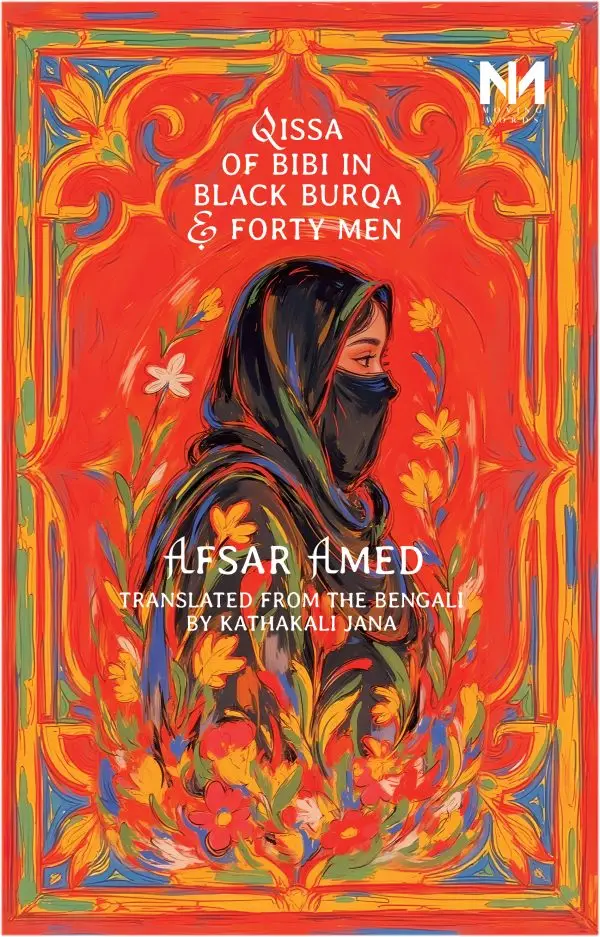
This Indian magical realism novel blends fiction of mystical resistance with lyrical prose, offering a rare journey through the symbolic and emotional.
Bibi walks cloaked not just in a black burqa, but in veils of emotion, silence, and stories untold.
Her path intersects with forty archetypal male figures—each representing love, power, longing, trauma, and healing. What unfolds is a collection of South Asian literary fiction that is deeply introspective, stylistically experimental, and emotionally rich.
Rooted in the cadence of traditional qissas, the narrative moves with a quiet rhythm, evoking dreamlike transitions where past and present blend.
As Bibi navigates inner landscapes filled with memory and myth, the book reflects on what it means to be a woman in a world of watching eyes, quiet resistance, and buried truths.
This feminist literary fiction is not just symbolic—it’s alive with metaphors drawn from South Asian traditions and psychological fiction by Indian authors.
Written in poetic, luminous language, Qissa of Bibi in Black Burqa and Forty Men belongs on the shelves of readers seeking books about inner journeys, strong female characters, and magical realism fiction rooted in cultural identity.
Share this product with others

Reviews
There are no reviews yet.