No products in the cart.
Return To Shop

No products in the cart.
Return To Shop
No products in the cart.
Return To Shop
Bridge to Global Literature
No products in the cart.
Return To Shop
Bridge to Global Literature
No products in the cart.
Return To Shop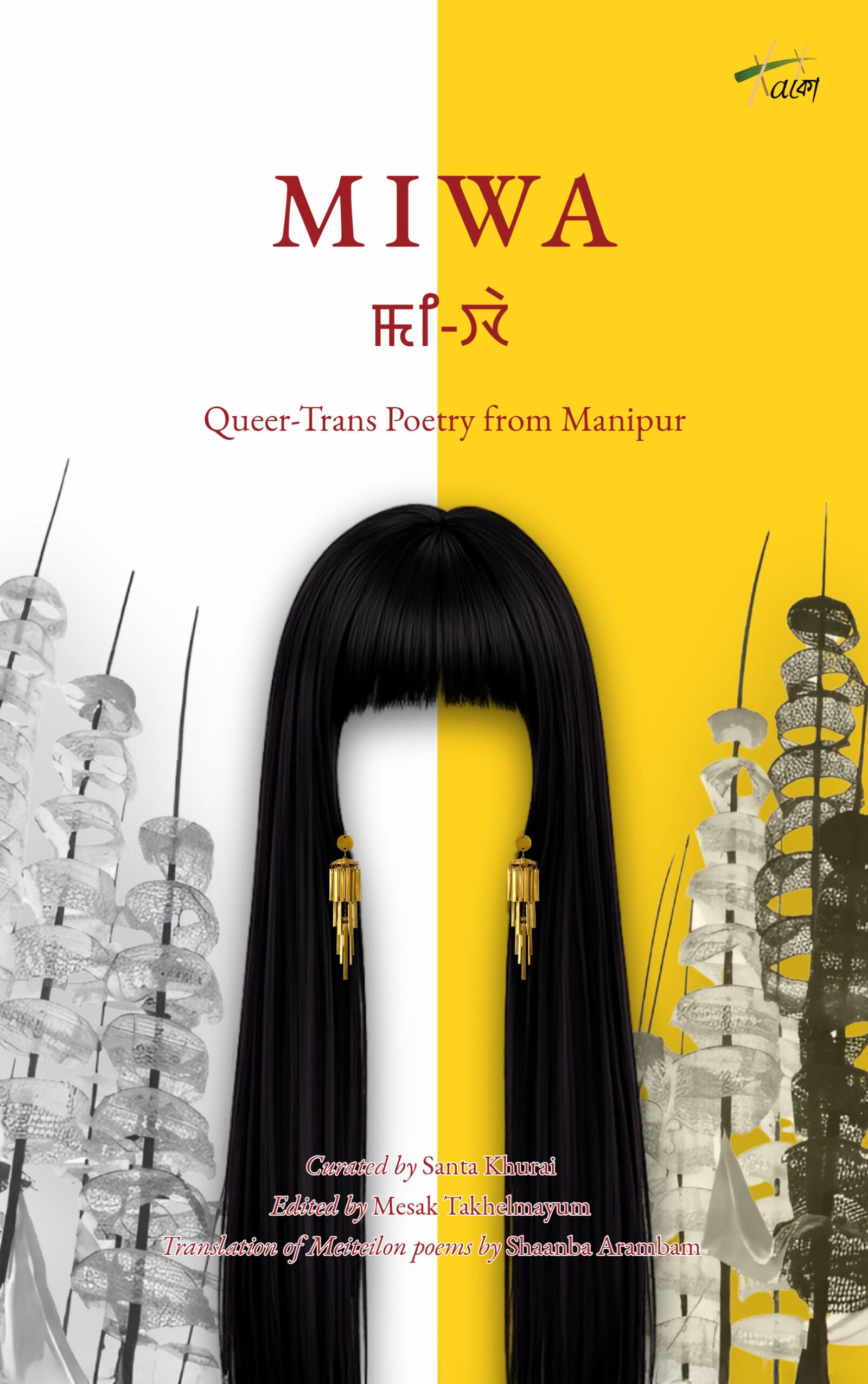
₹399.00
Curated by Santa Khurai, MIWA gathers queer-trans poets from Manipur turning silenced whispers into fierce, healing poetry of identity, love, and resistance.
15 pre-orders available
| Author(s) | Amakcham Herojit Meitei, Andy Maisnam, Anju Atom, Anushya Pebam, Chaltan Yumnam, Charlie, Chongtham Vivekananda Meitei, Darwin, Gabriel Chakpram, Hinat Khan, Jenith Konthoujam, John Nongmaithem, Keifang, Lairenmayum Lannganba Meitei, Laishram Gabrielsana, Laishram Momo Khuman, Loitongbam Bimolchandra (Bimolloi), Malemkhomba, Mesak Takhelmayum, Namipiba Keisham, Nelson Yambem, Ngangbam Ogeet, Nongmaithem Batombi, Santa Khurai, Shaanba Arambam, Sougaijam Nirakumari Devi, Steven Durow, Zon (Konthoujam John Meitei) |
|---|---|
| Curator | |
| Editor(s) | |
| Translator(s) | |
| Cover Designer(s) | |
| Language | |
| Format | |
| Pages | 204 |
| ISBN | 9789347571015 |
MIWA: Queer-Trans Poetry from Manipur is an anthology of poems by young writers of diverse gender and sexuality identities from Manipur, curated by Santa Khurai, edited by Mesak Takhelmayum, with translations of Meiteilon poems by Shaanba Arambam. The title takes its name from a Meiteilon word that literally means “gossip”—composed of Mi (person) and Wa (speech)—and the anthology reclaims it, transforming a word long used to diminish queer and trans lives into a space from which its subjects speak for themselves.
The collection grew out of Healing through Literature, a series of poetry-writing workshops conceived by Santa Khurai with support from the Mariwala Health Initiative, awarded to AMANA, and held with mental health professionals from The Collective Trust holding space for participants. Across nearly thirty contributors—students, teachers, artists, activists, and first-time writers alike—the poems move between Meiteilon and English to explore identity, memory, love, loss, belonging, and survival in a conflict-affected land. Some pieces are direct, others unapologetic or left deliberately unsaid, but together they resist erasure and assert, in the anthology’s own words, that these voices “have always been here, writing themselves into the world.
I have never viewed any piece of literature, as queer-trans or any other label that has simply nothing to do with the writing and its’ virtue to qualify, as literature. However, writing these few words on ‘Miwa’ made me rethink this. The need to assert an identity is akin to oxygen, for those whose identities have been constantly questioned, threatened or disregarded. This collection of poems flips the word, ‘Miwa’ (‘other people’s words’ or ‘gossip’) and powerfully reclaims the self — individually and collectively
—Lakshmipriya Devi,
Director, BOONG,
BAFTA 2026 award winner
Shaanba Arambam — A teacher by profession, Arambam is also a storyteller, political columnist, translator, and researcher, holding a postgraduate degree in English Literature from the University of Delhi.
Steven Durow — An assistant teacher with a postgraduate degree in history, and a writer and poet from Manipur, his work explores queer identity, memory, and the intersections of history, place, and belonging. For Steven, MIWA is a way for queer people in Manipur to document their lives in their own words rather than be spoken for by others.
Chaltan Yumnam — An MBBS student from Singjamei and an emerging writer who believes both medicine and literature begin with understanding people. For Chaltan, MIWA is a space where whispers become stories and stories become voices, showing that conversations dismissed as gossip can instead foster understanding, healing, and connection.
John Nongmaithem — An actor, poet, and artist from Imphal East, whose creative practice is shaped by a love for poetry, gardening, and everyday life shared with his partner. For John, MIWA is a medium through which trans people can express themselves without needing an introduction or justification.
Namipiba Keisham — A student and the youngest contributor to the anthology at just thirteen years old, passionate about public speaking. For Namipiba, MIWA is a creative, empowering space that helps dismantle harmful stereotypes about gender-assigned behavior.
Laishram Gabrielsana — A history student at the University of Delhi whose love for writing began in childhood through diary entries, and who believes his Christian faith and queerness coexist in harmony. For Gabrielsana, MIWA is an archive of queer-trans history and a celebration of everyday resilience.
Amakcham Herojit Meitei — Pursuing an MA at the Manipur University of Culture, with a passion for preserving and expanding the historical lexicon of the Meitei language. For Herojit, MIWA is a rare opportunity that shines with quiet brilliance, opening new possibilities for expression and recognition.
Lairenmayum Lannganba Meitei — From Moirang, pursuing a B.Sc. in Anthropology at D.M. College of Science, with writing that reflects an interest in people, identity, and unspoken experiences. For Lannganba, MIWA opens the door for future queer Manipuri writers to tell their stories.
Sougaijam Nirakumari Devi — A passionate learner interested in literature, poetry, translation, and the social sciences, committed to honest, empathetic writing. For Nirakumari, MIWA is a community that embraces queerness with strength, love, and courage.
Loitongbam Bimolchandra (“Bimolloi”) — An actor, professional makeup artist, and Manipuri folk and classical dancer from Kwakeithel Konjeng Leikai, Imphal. For Bimolloi, MIWA is the essence of queer-trans life expressed through poetry, capturing experiences unique to Manipur.
Keifang — The pen name of a poet and educator from southern Manipur, whose writing reflects a belief in dignity, empathy, and challenging prejudice. For Keifang, MIWA is an opportunity to be part of a larger artistic dialogue fostering understanding and solidarity.
Charlie — A trans man and project engineer with a lifelong love for reading and writing. For Charlie, MIWA is a place of belonging, connecting queer people through literature so no one has to feel alone.
Hinat Khan — A teacher and aspiring writer from Thoubal who enjoys journaling, songwriting, and poetry. For Hinat, MIWA is a safe space for those who dare to be unapologetically themselves.
Chongtham Vivekananda Meitei — A student and emerging writer whose work is inspired by human emotions and quiet moments. For Vivekananda, MIWA is a collection of queer voices transforming lived experience into honest, heartfelt poetry.
Laishram Momo Khuman — A trans man and poet from Imphal East who began writing in response to an existential crisis. For Momo, MIWA creates space for underrepresented voices in Manipuri literature, particularly queer-trans lives.
Darwin — A student from Thoubal Haokha Maning Leikai interested in sociology and journalism. For Darwin, MIWA is an opportunity to reimagine the future of Manipuri literature through queer-trans voices.
Anushya Pebam — A writer whose love for literature has shaped how she understands herself and the world, writing with vulnerability. For Anushya, MIWA is a reclamation of agency over stories too often reduced to gossip.
Nelson Yambem — A certified folk artist from Sheishakkol pursuing a BA in Folk and Traditional Music at the Manipur University of Culture. For Nelson, MIWA is a unique literary genre shaped by the voices of the queer community.
Malemkhomba — A twenty-two-year-old queer poet from Imphal whose poetry explores tenderness, longing, and childhood. For Malemkhomba, MIWA is a space that allows queer poets to hold their truths with honesty and vulnerability.
Zon (Konthoujam John Meitei) — A twenty-one-year-old dancer with a deep appreciation for culture and tradition. For Zon, MIWA was a life-changing first writing workshop offering comfort, belonging, and a community to grow within.
Nongmaithem Batombi — A Nupa Maanba from Moirangkampu working as a farmer, with writing shaped by quiet reflection and the land. For Batombi, MIWA expresses the grief carried by a community too often overlooked.
Anju Atom — A Sociology student at the University of Delhi, introduced to poetry by her father at age seven. For Anju, MIWA is a testament to the re-emergence and resilience of queerness despite adversity.
Gabriel Chakpram — An independent researcher from Nongmeibung with a master’s in development studies, whose writing explores desire, romance, and local histories. For Gabriel, MIWA gave him the confidence to express himself through poetry.
Ngangbam Ogeet — A poet, speaker, and student from Sangaithel in Manipur’s western foothills, whose work questions oppressive social narratives. For Ogeet, MIWA has the potential to become a lasting literary tradition for future generations.
Jenith Konthoujam — A queer poet from Northeast India currently freelancing, exploring life’s joys and contradictions as a “hopeful cynic.” For Jenith, MIWA is a bouquet of poems reflecting Manipur’s many queer and trans voices.
Santa Khurai — A writer, filmmaker, and queer rights activist from Manipur whose work explores gender, sexuality, memory, and social justice. For Santa, MIWA transforms gossip into poetic expression, a collective act of resistance and healing.
Mesak Takhelmayum — A poet, filmmaker, editor, and queer rights advocate from Manipur working across literature and cinema. For Mesak, MIWA is the beginning of a literary movement locating queer-trans lives within Manipur’s cultural and political imagination.
Andy Maisnam — An emerging poet and aspiring storyteller from Imphal, writing in both English and Manipuri. For Maisnam, MIWA is a testament to the place of queer and trans lives at the heart of literature.
 Santa Khurai is an indigenous Nupi Maanbi from Manipur, and a writer, filmmaker, artist, and one of the region’s foremost transgender rights advocates. She serves as the Secretary of the All Manipur Nupi Maanbi Apunba (AMaNA) and has spent over two decades advancing the rights, dignity, and cultural histories of queer trans communities in Northeast India. Her work spans literature, filmmaking, community organizing, and policy advocacy, with a particular focus on indigenous gender identities and decolonial queer futures. She is the author of The Yellow Sparrow and has contributed to numerous anthologies, journals, and international human rights forums. Through MIWA, she continues her commitment to nurturing new generations of queer-trans writers and preserving their stories as part of Manipur’s living literary heritage.
 Shaanba Arambam is a writer, poet, translator, and researcher from Manipur. Their work is deeply engaged with Meitei language, litera ture, and indigenous knowledge systems, with a particular interest in carrying contemporary Manipuri writing across linguistic boundaries. Through translation, they seek to preserve the cultural textures, rhythms, and emotional resonances of the original while making them accessible to wider audiences. As the translator of the Meiteilon poems in MIWA, they bring together literary sensitivity and cultural attentiveness, allowing these voices to travel beyond language while remaining rooted in the worlds from which they emerge
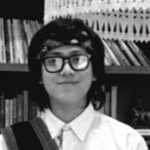 Mesak Takhelmayum is a writer, poet, filmmaker, and queer rights advocate from Manipur. Their work explores memory, conflict, gender, and indigenous identity through literature and cinema, drawing deeply from the social and cultural landscapes of Northeast India. They have been recognized by several national and international arts initiatives, and their work has been presented through poetry, film, and community-based cultural projects. As editor of MIWA, they have brought together a new generation of queer-trans voices, shaping this anthology as a space where language, lived experience, and collective memory come together to imagine new literary futures
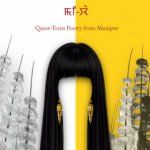 Miwa (ꯃꯤ-ꯋꯥ) - Queer-Trans Poetry from Manipur
Share this product with others
Reviews
There are no reviews yet